
Dental Crowns – Lawrenceville, GA
Easily Address Teeth with Injuries, Decay, & More

While a filling can treat a small area of decay or a defect in a natural tooth, crowns are one of the most durable and lasting ways to repair cases of extensive damage for years to come. Here at Transforming Smiles, Dr. Zafrani is proud to provide very natural-looking crowns that can revitalize injured, discolored, broken, or weakened dental structures. If you’re located in the Gwinnett County area, don’t hesitate to contact our team today to schedule an appointment.
Why Choose Transforming Smiles for Dental Crowns?
- Porcelain, Metal-Free Materials Used for Premium Aesthetics
- Proudly Serving Lawrenceville for Over 30 Years
- Dedicated Full Mouth Reconstruction Plans for Complex Cases
What Is a Dental Crown?
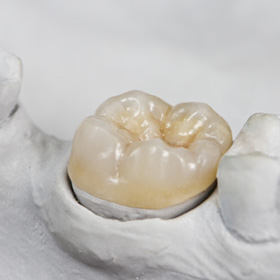
A dental crown is a custom-made cap that fits over a broken, cracked, or decayed tooth to restore its strength, shape, and natural appearance. Crowns are often recommended for teeth with large fillings, fractures, or those that have undergone root canal treatment. They provide protection, improve function, and blend seamlessly with your smile. Made from durable materials like porcelain or other metal-free options, dental crowns are designed to look and feel just like real teeth. The addition of a new crown can also close troublesome spaces between teeth, change their angulation, and even correct painful bite problems. They can be paired with bridges or dental implants as well for attractive, functional tooth replacement.
The Dental Crown Process
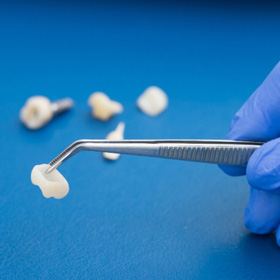
The dental crown process typically takes place over two appointments; the first visit involves examining and preparing the tooth, as well as planning out the crown. We’ll take X-rays of the tooth and surrounding bone to ensure everything looks as it should, before the tooth is gently reshaped as needed to ensure the crown will fit properly—don’t worry, this is painless! Afterwards, an impression is made of the tooth receiving the crown as well as the ones next to it, to ensure your bite isn’t negatively impacted. You’ll also receive a temporary crown to ensure your tooth is protected while it awaits its final restoration. From there, the impressions are sent to a special lab and used to create your custom-made dental crown over the next couple of weeks. You’ll come back for your second appointment to have the crown placed, polished, and adjusted to ensure it looks and feels normal.
The Benefits of Getting a Dental Crown

The main benefit of getting a dental crown is that it restores your damaged or broken tooth to full function and allows you to keep it, which is always preferable to losing it or having it removed! However, the benefits don’t stop there. A crown also improves your smile’s appearance since these restorations are designed to look exactly like your existing teeth. Crowns are also capable of lasting for 10 to 15 years with the right care, which doesn’t involve anything particular other than regular daily hygiene, routine preventive checkups and cleanings.
Understanding the Cost of Dental Crowns

If you’ve been told that you’re going to need a dental crown, you probably have a lot of questions—and one of them might be “How much is this going to cost?” Since everyone’s circumstances are different, there technically isn’t a set price for dental crowns. During your appointment, as we’re reviewing your treatment plan, we will go over the associated cost factors that will determine the cost of your dental crown. We’ll also talk about your payment options as well as anything else relevant. We’ll only move forward with your treatment once you’ve had the chance to review the cost estimate we give you, but if you have any questions, please don’t hesitate to let our team know!
Factors That Affect the Cost of Dental Crowns
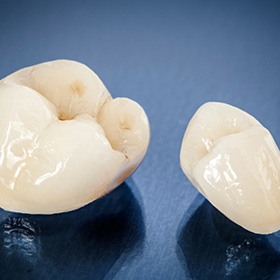
Dental crowns come in all shapes and sizes, and since everyone’s smile is different, this means that crowns need to be highly personalized. This also means the price varies from patient to patient. When it comes to determining how much you can expect to pay, these are some of the factors in play:
- The severity of the dental damage, and if any preliminary treatments—like a root canal or dental implant—are needed before the crown is placed.
- The type of material that will be used to create the crown, which may include options like porcelain and other beautiful, metal-free materials.
- The method used to create the crown; often, they’re made off-site in a lab by skilled dental technicians using detailed impressions.
Does Dental Insurance Cover Dental Crowns?

In many cases, dental insurance companies are likely to at least cover a portion of the cost associated with a dental crown, as these restorations have many long-term oral health benefits that go beyond refreshing the appearance of a tooth, including improving its structure and preventing the need for extraction. However, the only way to know for sure if you’re eligible for coverage is to check your plan first—and if you need any help with this, one of our knowledgeable team members would be more than happy to assist you.
Options for Making Dental Crowns Affordable

If you don’t have dental insurance coverage, don’t worry—you still have options for making your dental crown in Lawrenceville more affordable. Our practice is partnered with CareCredit, a third-party financer that works with qualifying patients to find budget-friendly, flexible payment solutions. To learn more or for help signing up, just give our office a call!
Dental Crowns FAQs
Does It Hurt to Get a Dental Crown?
Getting a dental crown in Lawrenceville will not be a painful experience. Our team will always be sure to adequately numb the area of your mouth where we’ll be placing the crown, so the most that you’ll feel during the appointment is gentle pressure, rather than discomfort. Some patients notice mild sensitivity or soreness after their appointment, but this typically improves within a few days and can be managed with over-the-counter pain relievers if needed. If you experience anything more than temporary discomfort after your crown has been placed, do not hesitate to contact us. We may need to adjust the crown or check for other issues to ensure it looks, feels, and functions as it should.
What Is the Difference Between a Dental Crown and a Veneer?
Dental crowns are a certain type of dental restoration used to assist teeth that have sustained severe damage or decay. In some cases, they can even be used to replace a missing tooth when combined with a dental implant. Crowns are also the go-to restoration following root canal therapy. These small, tooth-shaped caps are placed on top of teeth in order to restore their function and appearance. Veneers, on the other hand, are a purely cosmetic service used only to improve how teeth look. They are thin porcelain shells that are bonded only to the front surfaces of teeth, meaning they don’t offer much in the way of support, protection, or other oral health benefits.
How Long Will My Dental Crown Last?
Dental crowns will not last forever, unlike your natural teeth (if you take great care of them, that is). On average, you can expect your crown to last somewhere between 5 to 15 years, but this usually varies depending on the material the crown is made from, as well as other factors, including your diet, oral hygiene, and whether you have any bad oral habits like smoking, nail-biting, or teeth grinding. It’s also worth noting that crowns on the front teeth often end up lasting longer than crowns placed on molars, since they aren’t subjected to as much pressure from chewing.
Can a Dental Crown Get a Cavity?
You’ll be happy to hear that a dental crown cannot develop a cavity! Their surfaces are not porous, unlike the enamel layer of your teeth. This means that cavity-causing bacteria cannot penetrate the outer layer of your crown. However, this doesn’t mean you’re entirely out of the woods—any remaining natural teeth, as well as the tooth that lies beneath your dental crown, are still vulnerable to harmful bacteria. This is why routine dental care remains important once you’ve received your dental crown; if a cavity were to form underneath your restoration, it can cause the crown to fail, not to mention, the infection can worsen and spread.